Progress Circle Arrow
Select Language
>
Menu

Ship Incinerator Systems Explained: From Waste Types to Disposal Practices

2026-03-19

Every ship that sets sail generates waste. Effective waste management is crucial for hygiene, pollution reduction, and compliance with international marine law, from oily sludge and food waste to plastics and packaging. Disposal is easy on land, but ships must be self-sufficient at sea. That’s why ship incinerator systems exist.

A ship incinerator is a specialist onboard unit that burns waste at high temperatures and converts it to ash, gases, and heat energy. This controlled process reduces waste volume greater than 90% and provides compliance with the MARPOL Annex V & Annex VI conventions regarding marine pollution prevention and emission control.

Today's modern shipboard incineration systems are fully automated and come with interfunctional safety interlocks, temperature sensors and other emission treatment technologies. These systems help provide a sustainable and environmentally responsible approach to better marine waste management. It is important for ships operating and away from port facilities to remain environmentally responsible.
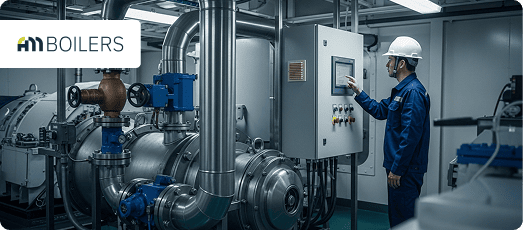
ship incinerator systems explained detail

There are plenty of players in the market that provide these levels of services, and having the right partner matters. Companies like AM Boilers help maintain the operational incineration systems on vessels. Our specialization in marine expansion joint, marine boilers, incinerators and pressure vessels help limit unsafe, non-compliant units that are inefficient and may be in constant use.

Which Types of Ship Waste Are Cleaned in Ship Incineration

Ships produce various types of refuse each day, and not all are treated in the same way. A ship incinerator is constructed to handle a variety of burnable refuse in a safe and efficient manner:

  • Sludge oil and oily rags – Refuse that is produced through machinery operation and fuel treatment processes.
  • Food waste and galley waste – RWaste produced from the kitchen and dining areas of the vessel.
  • Plastics and packaging – Items such as wrappers, bottles, and containers that cannot be recycled onboard.
  • Paper, textiles, and wood – General household waste generated from shipboard operations.
  • Sewage sludge – The semi-solid waste by-product from a shipboard wastewater treatment plant.

Correct waste separation is very important. Non-burnable material like metal, glass, and aerosol containers will be separated to prevent degradation of the incineration process or damage to the equipment. Incinerator waste disposal helps hygienically dispose of waste and reduce the environmental implications of marine operations.

How Ship Incinerators Work

The working principle of a ship incinerator is simple in theory but highly controlled in practice. The system operates through multiple stages:

  • Waste Feeding: Waste is obtained, separated, and sent to the combustion chamber, on larger vessels, typically with the assistance of automatic feeders.
  • Primary Combustion: Burners ignite the waste material at temperatures of 850°C–900°C and reduce it into ash, flue gases, and heat, notably along with reduction in mass.
  • Secondary Combustion: Potentially unburned gas flows into a secondary chamber where it is reheated to around 1,200 °C. This helps to ensure total destructiveness of the waste while greatly reducing harmful emissions.
  • Emission Treatment: The gases then follow a scrubber, filter, or catalytic system to neutralize particulates, acid gases, and hydrocarbons before being released into the environment.
  • Ash Disposal: The residual ash, which is usually 5%–10% of the initial waste,is collected and securely stored until being delivered to disposal port reception facilities.

The efficiency of the operation is dependent on design features of the combustion chamber, control of the air supply, and the waste characteristics. A large majority of auxiliary boilers and ship incinerators are made for continuous operations with high thermal efficiency and limited supervision.

Types of Ship Incinerators

The ships vary in their use of incinerator types based on the type and form of waste produced.

  1. Sludge Oil Incinerators: This incinerator is designed primarily for incineration of oily residues, sludge, and liquids produced as a result of engine operations. These incinerators are fitted with oil burners and/or atomizers and combustion air fans to provide optimal combustion efficiency and ensure uniform combustion with little or no smoke emissions.
  2. Solid Waste Incinerators: Used to incinerate garbage, food waste, and plastics, solid waste incinerators usually consist of a drying section, a primary combustion chamber, and a post-combustion chamber for complete incineration of waste.
  3. Combined Waste Incinerators: Most modern vessels utilize combination or hybrid incinerators that incinerate oil/sludge waste as well as solid waste. Combination incinerators are space-efficient waste management systems that offer a practical incineration solution on large commercial vessels and tankers that may be operating for long periods of time without coming back to port.
  4. Rotary Kiln Incinerators (Throughput Systems): Some vessels in special applications or offshore platforms utilize rotary kiln incinerators that employ rotating drums that mix and incinerate waste at the same time. Rotary kilns can process a high volume of waste with the system designed to burn waste and treat emissions in compliance with environmental standards.

Operating Procedures for Ship Incineration

Successful shipboard incineration at sea depends considerably on the crew's discipline and commitment to procedures. Normal considerations include:

  1. Pre-Operation Check: Verifying that the burner nozzles, fuel supply, air dampeners and temperature control systems are functional. Confirm that the safety interlocks and alarms are functional.
  2. Waste Separation: Mixing burnable waste with non-burnable waste. If a combined incinerator is used, sludge and solids must be mixed in the correct proportions.
  3. Start-up and Burn: Follow the manufacturer’s manual, and complete the ignition sequence. Gradually increase to the desired combustion temperature.
  4. Continuous Monitoring: Monitor temperature and pressure and record the flue gas readings, adjusting the air supply quantity to ensure all waste is consumed, avoiding soot.
  5. Shutdown and Cleaning: Following every burn cycle, allow the chamber to cool and empty the ash. Burners and air ducts should be cleaned occasionally to avoid blockage.

Lastly, frequent maintenance is important to avoid failure and emissions compliance. This is where AM Boilers can be beneficial, providing incinerator services for inspections, repairs, and retrofits - ensuring shipboard systems operate at their maximum potential.

Challenges in Ship Waste Incineration

Although effective, incinerator waste disposal has its difficulties:

  • Emission Control: Meeting the MARPOL Annex VI requirements necessitates continuous monitoring of waste streams for undesirable flue gas compositions to prevent an emission violation regarding SOx and NOx pollution.
  • Fuel Efficiency: Auxiliary fuel required to maintain maximum combustion temperature sustains operational expenses.
  • Waste Segregation: Inadequate waste segregation can lead to poor combustion efficiency, and possibly damage refractory linings with highly corrosive material.
  • Maintenance Downtime: As burners, sensors and refractory linings have finite lifetimes, timely maintenance is paramount.
  • Crew Training: Crew members should be up-skilled in proper waste disposal operation to minimize unsafe operations and other environmental infractions.

AM Boilers offers scheduled maintenance and crew awareness programs to ship operators to efficiently remove these barriers, ensuring vessels maintain compliance and environmental obligations.

Regulations and Compliance

International regulations are in place to manage the incineration of waste on board vessels in order to avoid pollution and maintain environmental standards.

UNESCO Annex V controls the release of garbage and prohibits the incineration of certain plastics and materials.

The MARPOL Annex VI has emission limits for the incinerator flue gas emissions from incinerators.

SOLAS (Safety of Life at Sea) requires that all incinerators installed on board a vessel must be certified and approved for marine use.

The ship incinerator operators are required to keep a log book of the waste incinerated, total time of operation and a record of maintenance so that they can comply with inspections from the port authorities.

ship incinerator systems explained cta

Conclusion

The effective incinerator waste disposal contributes significantly to sustainability in marine operations. By turning waste into ash and non-toxic, hazardous gasses, ship incinerators can reduce the environmental impact of the waste and assist the vessel in complying with required international regulations.

While ship incinerators are not a comprehensive solution to waste disposal, with good operation, maintenance, and safety standards, ships can remain efficient, all while protecting the environment. When a ship is partnered with a competent service provider, such as AM Boilers, an operator can be assured the ship’s waste management systems, from incinerators to auxiliary boilers, are proving cleaner oceans and safer marine environments, as the systems are operating appropriately and cost effectively.
